Managing Projects…Or Delivering Value?
| by Jeannette Cabanis-Brewin
"People need to evolve with the organization or it isn’t sustainable."
Next week, we’ll be launching our 2023 research study, Project Management Skills for Value Delivery. This study set out to renew the data we collected in our 2015 study, Project Manager Skills Benchmark. But as we looked at the questions and skills we previously asked about, we realized how much project management practice has changed.
The new study doesn’t throw out the old project management skills, of course—we assume that these are the baseline requirement for entry into the profession. But beyond the basics, what skills do project managers need to rise to the occasion, and serve the value delivery needs of their organizations?
One of the chief architects of the 2023 study is our Vice President of Client Success, Eric Foss. I caught up with him by phone to get his thoughts on how this study will help those who participate in it prepare for the challenges ahead.
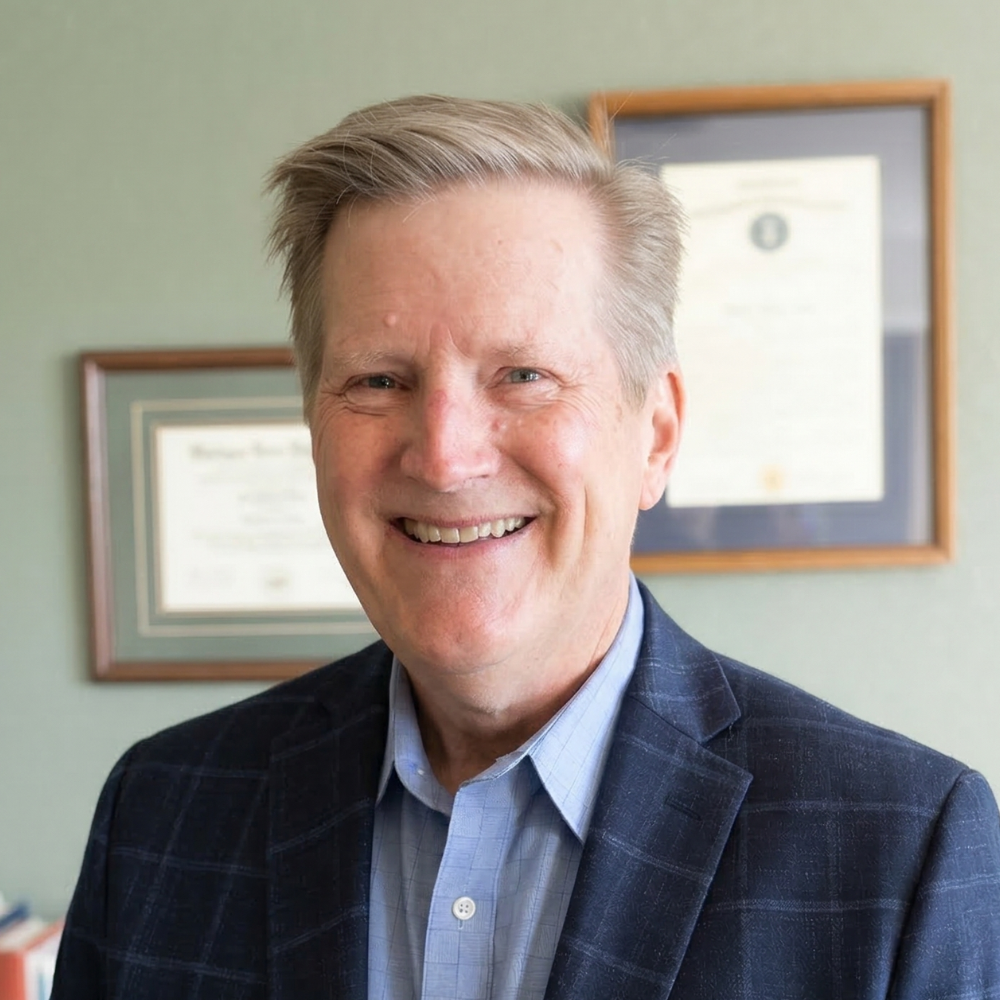
Q: This new study ups the game for project managers, with a wide array of business, organizational, and consultative skills. Tell us a little about the drivers behind these changes.
Eric Foss: Project managers and program managers need to become more aware of delivering strategically aligned value, in partnership with the project sponsor. As organizations strive for more business agility, the fast-paced delivery environment must have the right structure, and the delivery leaders in that environment must be partners in delivering optimal value for organizational investments—and by that I mean financial investment as well as the investment of resources’ time.
Working with clients, I often see competent project managers thrust into roles they aren’t really prepared for. “Strategic value delivery” is quite different from just managing a bunch of projects. Both the organization’s understanding of project management’s role and project managers’ aspirations about what their role can be will benefit from broadening the base of knowledge and the skill set. It’s a flag for me when an organization thinks they can implement transformational change simply by getting PMPs on board. The basic knowledge is golden, of course; but enterprise leadership requires more.
Another driver for me has been witnessing organizations try to transform by developing governance systems around projects and programs, but missing the mark because they end up with systems that are extremely complex and difficult to follow. There’s a lack of pragmatic, intuitive application of project management principles. In practice, this looks like more like extensive collaboration, tying strategic objectives to specific projects with transparency and objectivity, as well as using progressive elaboration to stay current with progress and changes in real time.
You can see that this kind of leadership, analysis, and communications are a level up from what we have, in the past, expected from project managers. This is why the processes are now only about 50% of the PMP test.
Q: Who do you envision as the ideal participant in the study? Project managers, upper management, PMO leaders, all of the above? What can participants expect to gain from the study results?
EF: I think it is all of the above, perhaps each with a different depth based on their role and specific responsibilities. Each role must build a broader awareness than was required in the past.
Upskilling is required across the board. Even tactical leaders need better relationship skills and need to develop their Emotional Intelligence. Looking at the news, you see a lot of chatter about organizations transforming themselves … well, the people need to evolve with the organization or it isn’t sustainable. All the roles that participate in value delivery need to have mutual respect for each other’s work. Ideally, multiple stakeholders in each organization in the study would complete the research. We have even broken out leaders and executives so that we can compare their views on what skills are most important—or most lacking. This is going to be immediately useful information to the organization.
Q: In your SRO presentation at the PMI Summit, you stressed the interconnection between corporate strategies and project delivery. What skills do you see as key for developing this integration?
EF: As I mentioned in my Global Summit session, bridging the gap between strategy and delivery is the challenge -- we all are aware of this need. Intentional governance structure, along with defining and evolving specific capabilities across that structure, provides the bridge. I like to help my clients focus on strategic value delivery as an elaborative process from ideation through Business Case definition, portfolio optimization, approvals, and then, of course, delivery of each component in the portfolio and measurement of targeted business value realization. This path requires specific roles, capabilities (often new or enhanced perspectives and capabilities), collaboration, and decision-making. During my session, I focused on intention and pragmatism -- both critical guiding principles to help effectively lead the transformation.
Ideally, organizations will begin by asking What are we trying to achieve? Why? How can we make it as intuitive and pragmatic for all roles as possible? Also, you know, the skills that are key for each organization will differ. I’m a big fan of research, but the organization has to take it and make it their own. Context is all.
Editor’s note: Be sure to sign up to receive our research alerts so that you and others in your organization can participate in this groundbreaking study.
FAQs
What is value delivery in project management?
Value delivery is the process of ensuring projects produce meaningful business outcomes rather than simply meeting schedule, scope, and budget goals. It focuses on aligning project work with organizational strategy and measurable benefits.
Why is value delivery important?
Value delivery helps organizations maximize the return on their investments by ensuring projects contribute to strategic goals, improve business performance, and deliver measurable benefits.
What skills support value delivery?
Successful value delivery requires leadership, strategic thinking, communication, stakeholder engagement, business acumen, governance, collaboration, and benefits realization alongside core project management skills.
What role do project managers play in value delivery?
Project managers contribute to value delivery by partnering with sponsors, managing stakeholder expectations, adapting to changing business needs, and helping ensure projects achieve strategic objectives.
Why are project management skills evolving?
As organizations become more agile and strategy-driven, project professionals are expected to contribute beyond project execution. Modern project management increasingly emphasizes value delivery, business alignment, and organizational leadership.
Next Step:
